Discover how dogs literally do their duty for science! From scat detection dogs saving endangered wildlife to canine microbiome research shaping urban ecology.
Introduction: A New Kind of Scientific Duty
When we hear the phrase “dogs do their duty for science”, it might sound like a cheeky pun about your morning dog walk. However, behind this humorous phrase lies a fascinating and rapidly growing field of scientific research. From urban genetics to global wildlife conservation, dogs and their “duty” (scat) are providing researchers with invaluable data that is changing the world.
The Canine Microbiome: What Dog Poop Tells Us
In recent years, citizen science has taken a bizarre but brilliant turn. Scientists are asking dog owners to bag their pet’s stool and send it to laboratories. Why? Because the canine microbiome holds the key to understanding both animal and human health.
- Urban Ecology: Projects covered by major publications, including the famous New York Times piece “Dogs Do Their Duty for Science”, have highlighted how researchers like Dr. Jane Carlton at the NYU Center for Genomics and Systems Biology sequence the DNA found in dog scat to understand the urban microbiome.
- Health and Longevity: Organizations analyze fecal samples to study how gut bacteria influence a dog’s lifespan, immune system, and digestion.
- Probiotic Development: By analyzing what a healthy dog’s digestive tract looks like, scientists can develop targeted probiotics that cure gastrointestinal diseases in pets.
Conservation Canines: Sniffing Out the Scat of Endangered Species
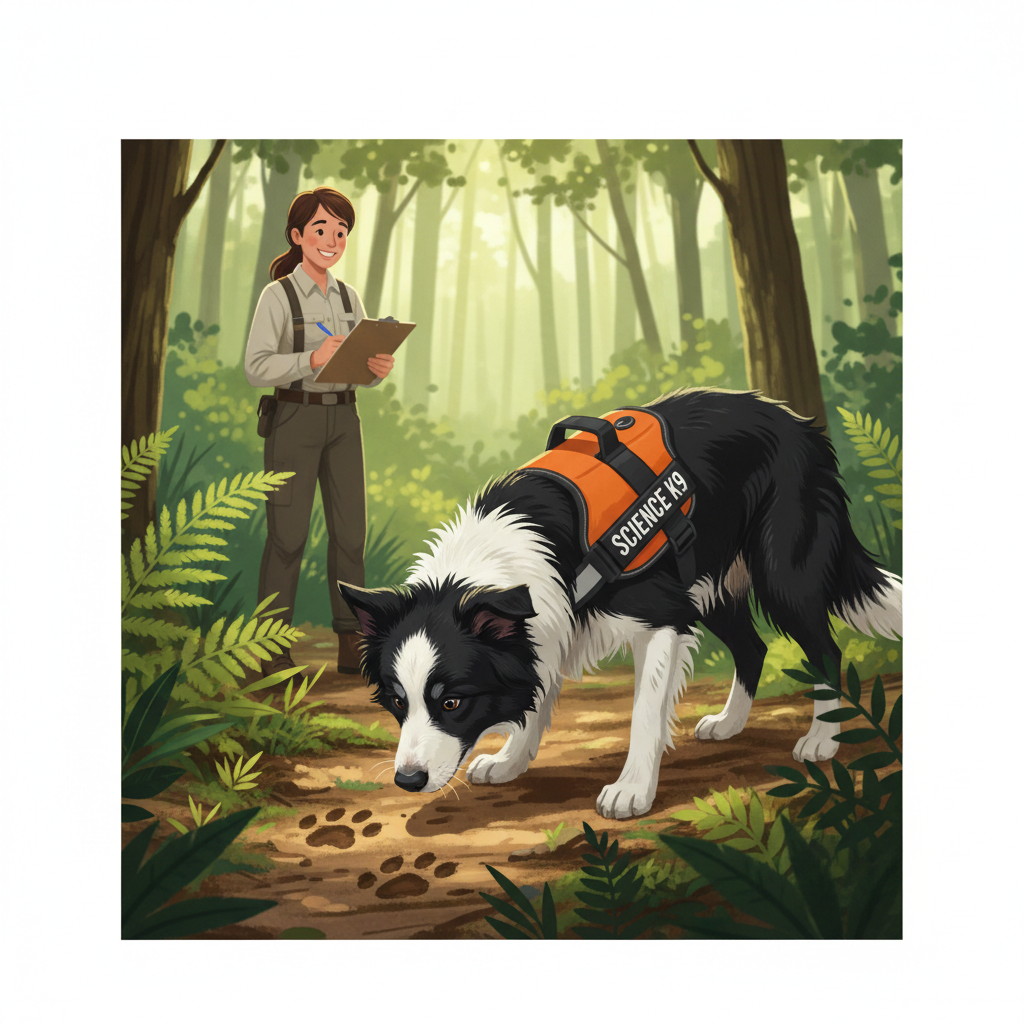
It’s not just about canine scat; dogs are also trained to find the “duty” of other animals! Scat detection dogs are the unsung heroes of wildlife conservation. Because animal feces contain a treasure trove of information—such as DNA, stress hormones, and diet composition—biologists desperately need these samples.
Using their incredibly powerful noses, conservation dogs are deployed around the globe to track down scat from elusive or endangered species:
- Orca Whales: Dogs have been trained to stand on the bow of research boats and sniff out floating whale scat miles away, helping scientists monitor the health of marine pods.
- Koalas: Following devastating bushfires, detection dogs helped locate surviving koalas by sniffing out their fresh droppings.
- Grizzly Bears: By finding bear scat in dense forests, researchers can track population numbers and genetic diversity without ever having to tranquilize or stress the animals.
Why Dogs Are the Perfect Research Assistants
What makes dogs so uniquely qualified for this scientific duty? The answer lies in their olfactory system. A dog’s sense of smell is up to 100,000 times more sensitive than a human’s. They can differentiate between the scat of a pregnant animal and a non-pregnant one, or distinguish between different individuals of the same species. Furthermore, tracking scat is a completely non-invasive research method. Instead of trapping and tagging wild animals, biologists can simply follow a dog to a sample.
How Your Dog Can Get Involved
You don’t need a highly trained working dog to contribute to science. Everyday pets can participate in groundbreaking research. Here is how you can help your dog do their duty for science:
- Join a Citizen Science Project: Register your dog for genetic and microbiome studies where you collect and mail a small sample of their stool.
- Track Environmental Health: Some local universities run urban ecology programs where pet owners log the locations of their dog’s bathroom habits to help map out city pathogens.
- Support Conservation Organizations: Donate to or spread the word about groups that train rescue dogs to become wildlife scat detection heroes.
Conclusion
The next time you are out on a walk with your furry best friend, equipped with a biodegradable bag, remember that you are holding a tiny scientific goldmine. Whether it’s decoding the mysteries of gut health or saving endangered species one sniff at a time, it is undeniable that dogs do their duty for science in the most remarkable ways. Man’s best friend is quickly becoming a scientist’s best tool.